The Power of Compound Investments in Business Expansion
Anúncios
Scaling a business isn’t just about bold moves—it’s about consistent, strategic reinvestment. That’s where the power of compound investments becomes transformational. Much like compounding in finance, small, well-placed business investments can build on each other, driving momentum that multiplies over time.
Rather than chasing sudden growth spurts, successful founders often focus on reinvesting steadily—into talent, tools, brand, and customer experience.
This method may seem slower, but over time, it builds an engine that accelerates without constant external funding. If you’re aiming for sustainable expansion, compounding should be part of your growth mindset.
What Does Compound Investment Mean for Business?
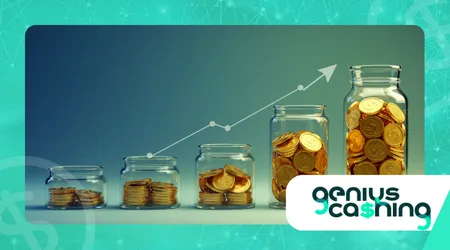
In a financial sense, compound interest grows because returns are reinvested, earning more returns. In business, compound investment happens when the returns of one strategic choice fuel the next—creating a feedback loop of growth.
Imagine investing in training that boosts employee productivity. That increased efficiency leads to higher output, which funds better systems, which attracts better clients. One decision builds on another. That’s compounding in action.
Anúncios
When each reinvestment improves performance, retention, or revenue, you’re not just growing. You’re accelerating with each turn of the wheel.
Areas Where Compound Investment Drives Growth
Most businesses see compounding power in a few key areas. The first is brand equity. Every piece of content, every customer experience, every marketing dollar compounds into visibility and trust. You won’t see the payoff overnight, but the long-term results are undeniable.
Another major arena is technology. Investing early in the right tools—from CRM platforms to automated workflows—frees up time and cuts costs. That reclaimed bandwidth then fuels innovation and scale.
And of course, team development is a classic compounding engine. High performers produce more, stay longer, and attract other top talent. Investing in people pays interest for years.
Read also: Top 5 Investment Strategies for Millennials
Why Founders Underestimate the Power of Compound Investments
Many founders are conditioned to think in short cycles: quarterly revenue, monthly growth targets, weekly KPIs. These metrics matter—but they often push reactive decisions over compounding ones.
You might delay upgrading your onboarding system because the current one “works.” Or skip content marketing because it doesn’t show ROI next month. But these small holds are opportunity costs. Every delay in compounding is a delay in scale.
Founders also struggle with patience. Compound investments require trust in long-term returns. But that’s precisely why they separate sustainable businesses from unstable ones.
How to Structure a Compounding Growth Strategy
Start by defining where your business has natural leverage. Is your audience growing through referrals? Double down on community. Are your margins strongest when processes are automated? Invest in infrastructure.
Once you identify leverage points, prioritize reinvestments that have long tails. This might include hiring a great operations lead, redesigning your customer experience, or launching evergreen marketing campaigns. These actions compound because they keep delivering long after they’re executed.
Set aside a fixed percentage of profits for reinvestment. Even 10-15% of monthly gains, when deployed wisely, can reshape your growth curve over a year.
Avoiding the Burnout Trap
There’s a big difference between compounding and overextending. The goal isn’t to throw every dollar back into the business—it’s to reinvest with strategy. Your compounding engine should strengthen your capacity, not strain it.
If your systems are buckling or your team is stretched thin, pause. Compound investments require a strong foundation. Sometimes, the smartest reinvestment is one that builds internal breathing room.
Cash reserves, upgraded workflows, and flexible talent are all compounding moves too. They create margin for growth without adding fragility.
Measuring the Results of Compounding Over Time
The effects of compound investments are rarely obvious in the first month. But over six to twelve months, they become impossible to ignore.
Track lagging indicators that reflect compounding. These include customer retention, revenue per employee, acquisition cost trends, and product delivery time. Look for improvements that come from prior changes—not just current activity.
What’s key is recognizing where results are stacking. That feedback allows you to double down where compounding is strongest—and stop wasting effort in areas with no return.
Conclusion: Slow Is Smooth, Smooth Is Fast
The power of compound investments lies not in dramatic, all-in plays—but in deliberate, rhythmic reinvestments that build strength over time. This mindset reshapes how you see every decision. Instead of looking for immediate payoffs, you begin to ask: What investment today will make us stronger tomorrow, and even more powerful next quarter?
True business scale doesn’t just come from getting bigger. It comes from becoming better in ways that stack. A better process leads to faster output. A faster output leads to happier customers. Happier customers generate more referrals—and the cycle repeats, all from one intentional investment. That’s compound growth in action.
And the beauty of compounding? It works even in uncertainty. While other businesses pause during market shifts, those with a compounding engine keep building. They have the habits, systems, and teams in place to grow steadily—regardless of the storm.
So stop chasing silver bullets. Start investing like a builder. Choose assets that outlast campaigns. Strengthen infrastructure that scales. Empower people who multiply value. That’s how you compound momentum—not just profits.
Questions About the Power of Compound Investments
How is a compound investment different from just reinvesting profits?
A compound investment creates ripple effects. It doesn’t just spend profits—it deploys them in ways that generate exponential, layered returns across time.
What’s an example of a compound investment in a service-based business?
Hiring a full-time client success lead. That person retains more clients, creates upsell opportunities, and reduces churn—all of which impact long-term revenue.
Can marketing be a compound investment?
Absolutely. Evergreen content, SEO, email automation, and long-term brand equity are all marketing moves that deliver returns well beyond the campaign window.
Is there such a thing as too much compounding?
If you reinvest at the cost of stability—yes. Healthy compounding requires margin. Don’t over-leverage just to grow faster. Optimize, don’t exhaust.
What’s the first step for founders new to this mindset?
Start with one habit: allocate a percentage of monthly profit to a compounding asset. Whether it’s tech, team, or training—consistency is the seed of scale.
