
Storage Facility Investments Show Surprising Returns
Anúncios
Storage Facility Investments offer a resilient financial sanctuary in an era defined by economic fluctuations and shifting commercial priorities.
Commercial real estate portfolios are experiencing a structural paradigm shift, with self-storage emerging as an unexpected powerhouse driving consistent institutional yield and sustainable long-term cash flow.
Private capital allocation toward these specialized physical assets has expanded rapidly across suburban and urban corridors alike, signaling a profound migration away from traditional office space and volatility-laden retail properties.
Understanding the fundamental forces powering this asset class requires examining demographic mobility patterns, operational automation tools, and localized supply dynamics that shield regional operators from broader market downturns.
To navigate this detailed analysis, our structured guide explores the essential mechanisms behind self-storage success across modern financial markets:
Anúncios
- What Makes Storage Facility Assets So Resilient?
- How Demographics Drive Storage Demand
- Why Operational Expenses Remain Exceptionally Low
- What Cap Rate Trends Reveal About Sector Performance
- How Do Investors Maximize Returns in Storage Real Estate?
- How Smart Technology Automation Cuts Overhead
- Why Short-Term Leases Provide Inflation Protection
- Where Location and Zoning Impact Operating Margins
- Why Are Storage Assets Outperforming Traditional Real Estate?
- How Storage Compares to Multifamily and Retail
- Why Institutional Capital Is Buying Regional Facilities
- When Is the Optimal Time to Enter the Storage Market?
- Comparative Performance Overview
- The Strategic Horizon for Storage Capital
- Frequently Asked Questions
What Makes Storage Facility Assets So Resilient?

How Demographics Drive Storage Demand
Human life events consistently create demand for self-storage space regardless of broader economic volatility or high interest rate environments.
Life transitions such as housing downsizing, career relocation, divorce, and estate settlements force individuals to seek secure physical space for personal possessions during interim periods.
Furthermore, smaller residential floor plans in expanding suburban master-planned communities have permanently altered how households manage their physical belongings.
When macro-level consumer confidence wavers, people naturally consolidate living arrangements, which directly accelerates occupancy metrics across self-storage properties globally.
Commercial enterprises also utilize these flexible storage units to handle seasonal inventory overflow, sidestepping rigid long-term industrial warehouse commitments.
This continuous baseline demand underpins Storage Facility Investments, ensuring steady revenue streams throughout varying macroeconomic cycles without relying on single-anchor corporate tenants.
Why Operational Expenses Remain Exceptionally Low
Operating expenses for self-storage facilities remain remarkably low when compared directly to office towers, industrial complexes, or residential apartment buildings.
Traditional commercial real estate assets require continuous interior capital improvements, costly tenant fit-outs, complex plumbing maintenance, and dedicated on-site janitorial crews.
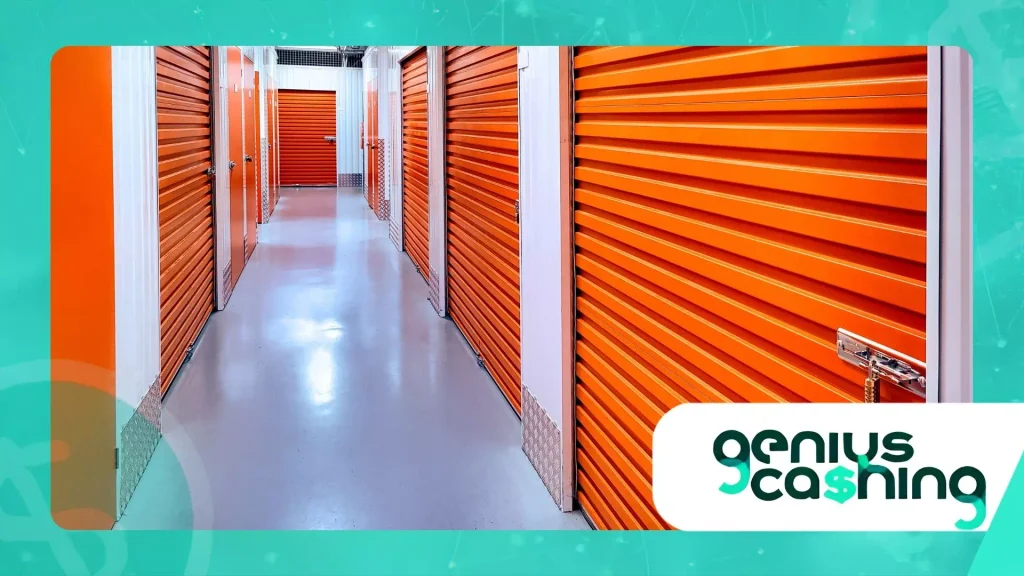
In stark contrast, storage facilities consist primarily of durable concrete foundations, steel roll-up doors, perimeter security fencing, and centralized climate control systems.
This physical simplicity dramatically reduces ongoing maintenance obligations and minimizes non-payment risks through automated, streamlined lien enforcement mechanisms.
Property managers can oversee hundreds of individual storage units with minimal physical personnel using centralized management software platforms.
Because capital expenditures remain bounded and tenant turn-over costs are practically non-existent, net operating income margins consistently hover well above conventional real estate thresholds.
++ Why Benefit Cliffs Are Hurting Working Families in 2026
What Cap Rate Trends Reveal About Sector Performance
Capitalization rate trends across the self-storage landscape reflect a maturing asset class that has firmly transitioned into mainstream institutional favor.
Historical data from major commercial real estate brokerages demonstrates that self-storage yields have effectively decoupled from volatile economic indicators during macro downturns.
Institutional REITs and private equity syndicators have compressed prime facility cap rates by demonstrating the sector’s superior occupancy retention and dynamic pricing capacity.
According to research from the Self Storage Association (SSA), the sector achieved average occupancy rates above 90% across prime metropolitan markets, sustaining high performance despite broader commercial real estate contraction.
This stable yield profile continues to attract risk-averse institutional funds seeking reliable cash distribution combined with real property collateralization.
Capital influx from international wealth managers further proves that storage assets serve as effective defensive mechanisms during persistent inflationary periods.
How Do Investors Maximize Returns in Storage Real Estate?
How Smart Technology Automation Cuts Overhead
Integrating fully automated management software, remote keypad access controls, and digital onboarding platforms has fundamentally transformed modern self-storage facility operation.
Facilities can now operate seamlessly via dynamic online storefronts, allowing end-users to select units, sign lease agreements, and receive digital entry credentials on smartphones.
Think of a self-storage facility as an automated digital vending machine for square footage: customers select their desired capacity, authenticate payments digitally, and interact with the physical structure without requiring human intervention.
This operational shift eliminates the financial burden of maintaining full-time on-site leasing offices and associated administrative payroll overhead expenses.
Automated sensor arrays monitor unit humidity, climate systems, and physical security parameters, alerting regional property managers to operational anomalies immediately.
By deploying modern property management software, savvy owners elevate operational margins while providing contemporary consumers with frictionless, 24/7 self-service access.
Also read: The Most Unexpected Groups Benefiting From Public Aid Today
Why Short-Term Leases Provide Inflation Protection
Standard commercial real estate leases lock owners into multi-year fixed rental rates, leaving portfolios highly vulnerable to surging consumer price index increases.
Self-storage units operate almost exclusively on flexible month-to-month rental agreements, granting facility owners the agility to adjust unit pricing rapidly.
When inflationary pressure elevates property operational expenses, facility management can algorithmically adjust existing monthly rental rates to mirror current local market demand.
This unique structural advantage allows Storage Facility Investments to function as a powerful natural hedge against persistent inflation across volatile financial markets.
Dynamic yield management systems continuously analyze localized occupancy velocity and dynamically adjust web-rates for available inventory in real time.
Consequently, storage asset owners capture maximum market rate momentum far more rapidly than conventional multi-family or office building landlords.
Read more: Why Some Benefits Programs Survive Every Political Cycle
Where Location and Zoning Impact Operating Margins
Physical site selection and localized municipal entitlement processes dictate the ultimate long-term profit margins for any storage real estate development project.
Highly visible parcels located along high-density traffic corridors with high daily vehicle counts consistently generate organic customer acquisition without excessive marketing budgets.
Municipal planning commissions frequently impose stringent zoning constraints on new self-storage developments, effectively creating substantial barriers to entry that shield established operators from local oversupply.
Investing in primary trade areas characterized by high median household income levels and restricted competitive supply pipelines ensures durable long-term pricing leverage.
Strategic operators systematically target suburban infill locations situated within three miles of rapidly expanding residential subdivisions.
These micro-market advantages ensure that existing self-storage assets maintain premium rental rates per square foot even as regional development slows.
Why Are Storage Assets Outperforming Traditional Real Estate?
How Storage Compares to Multifamily and Retail
When evaluating historical capital performance, self-storage demonstrates distinct structural advantages over traditional multifamily apartments and brick-and-mortar retail space.
Multifamily landlords face constant exposure to tenant turnover, interior painting, appliance repair costs, and strict statutory eviction procedures during non-payment disputes.
Retail landlords remain vulnerable to anchor tenant insolvencies and shifting digital commerce preferences that compromise multi-year lease commitments.
Storage facility operators bypass complex tenant eviction processes via statutory lien sale processes designed specifically for commercial storage space disputes.
Units require minimal remediation between occupants, usually requiring nothing more than a quick sweep and a lock change before immediate re-leasing.
The table below illustrates key operational metrics comparing major commercial real estate sectors:
| Performance Metric | Self-Storage Facilities | Multifamily Apartments | Commercial Retail |
| Average Operating Margin | High (60% – 70%) | Moderate (45% – 55%) | Moderate (50% – 60%) |
| Turnover Maintenance Cost | Minimal ($50 – $150) | High ($1,500 – $3,500) | Extensive Fit-Outs |
| Lease Duration Agility | Monthly (Dynamic) | Annual (Fixed) | Multi-Year (Fixed) |
| Tenant Eviction Friction | Low (Statutory Lien) | High (Court System) | Variable/Legal |
| Capex Reserve Requirements | Very Low | High | Moderate to High |
Why Institutional Capital Is Buying Regional Facilities
Is it surprising that global private equity entities are actively consolidating mom-and-pop storage portfolios across second-tier metropolitan markets?
Large institutional funds recognize that independent operators historically under-managed these highly lucrative real estate assets using static pricing models and analog operational systems.
By acquiring fragmented regional storage facilities, institutional aggregators instantly apply centralized digital marketing, dynamic pricing algorithms, and third-party management efficiencies.
This consolidation strategy creates significant portfolio value lift by driving down localized operating overhead while driving upward average rent yields per unit.
Furthermore, institutional ownership facilitates lower capital costs when refinancing large credit facilities across aggregated regional asset packages.
The steady conversion of fragmented mom-and-pop operations into sophisticated institutional portfolios continues to fuel robust M&A transaction activity nationwide.
When Is the Optimal Time to Enter the Storage Market?
Navigating asset entry points requires analyzing regional supply pipelines alongside prevailing local demographic growth indicators.
Entering secondary and tertiary markets that display steady population influxes prevents exposing capital to localized over-supply risks present in select primary cities.
Savvy real estate investors continuously evaluate cost-per-square-foot build metrics relative to existing facility acquisition pricing within targeted trade radiuses.
Purchasing existing facilities with immediate upside operational potential offers an attractive risk-adjusted entry path compared to ground-up development projects.
Implementing professional digital marketing strategies, automated management software, and ancillary revenue programs like tenant insurance sales unlocks substantial equity value quickly.
Evaluating localized trade area supply ratios ensures investors deploy capital into markets primed for sustained rental rate expansions.
The Strategic Horizon for Storage Capital
Navigating the contemporary real estate environment requires selecting physical structures that minimize labor costs while offering dynamic revenue adjustment mechanisms.
Self-storage assets continue to demonstrate their unique capacity to withstand broader macroeconomic contractions while capturing dynamic upward pricing adjustments during inflationary cycles.
By leveraging modern digital automation platforms and focusing on strategic infill locations, investors can construct high-yielding portfolios that outpace traditional commercial real estate benchmarks.
Committing capital to well-located storage properties remains a reliable path for building enduring equity across fluctuating market cycles.
How will your portfolio adapt to these shifts as Storage Facility Investments continue redefining commercial real estate yields? Share your perspective or operational experience in the comments section below to join the discussion.
Frequently Asked Questions
What makes self-storage investments resilient during economic downturns?
Self-storage demand is primarily driven by life transitions such as moving, downsizing, business shifts, and estate settlements, which occur regardless of broader economic conditions.
Additionally, low operational overhead and flexible monthly leases allow owners to adjust rates rapidly to match current market conditions.
How do operational costs compare between storage facilities and traditional apartments?
Storage facilities require significantly lower ongoing maintenance because they lack complex interior residential plumbing, kitchen appliances, and extensive tenant fit-out needs.
Personnel costs are also substantially lower due to modern automated access control software and remote management systems.
What is dynamic pricing and how does it benefit storage facility operators?
Dynamic pricing is an automated revenue management strategy that continuously adjusts unit rental rates based on real-time localized demand, occupancy velocity, and available inventory.
This strategy allows operators to maximize total rental income per square foot far more efficiently than fixed annual real estate leases.
How do facility owners handle non-paying tenants in self-storage real estate?
Unlike residential real estate requiring lengthy court-ordered eviction proceedings, self-storage operations are governed by state-specific statutory lien laws.
If a tenant defaults on monthly rent, the operator can execute a statutory lien sale process to auction unit contents and regain rental inventory quickly.
Why is institutional capital actively acquiring independent self-storage properties?
Institutional investors target independent “mom-and-pop” facilities to implement professional third-party management, centralized dynamic pricing, and automated operational technology.
Aggregating these fragmented assets into unified regional portfolios generates immediate capital appreciation and significant operational cost efficiencies.
