
El curioso caso de los países que imprimieron billetes $0
Anuncios
El curioso caso de los países que imprimieron billetes $0 Sigue siendo una de las intersecciones más fascinantes de protesta política, activismo social e historia numismática jamás registradas.
Si bien la moneda suele representar una reserva de valor específica, estos billetes únicos de "valor cero" fueron diseñados para desafiar los sistemas y celebrar el patrimonio cultural.
Al examinar estos artefactos en 2026, vemos que funcionan más como poderosas herramientas psicológicas que como moneda de curso legal tradicional para el comercio.
Nos obligan a replantearnos la naturaleza misma del dinero, demostrando que el mensaje impreso en el papel a veces es más valioso que la cantidad.
Análisis de la riqueza sin valor
- La rupia cero: La lucha contra el soborno sistémico mediante el poder simbólico de la "falta de pago" en la India.
- El euro cero: Descubre los billetes de recuerdo que conmemoran monumentos europeos sin riesgo de inflación.
- Resistencia política: Cómo el papel moneda se convierte en un arma contra la corrupción en los sistemas administrativos en desarrollo.
- La paradoja del coleccionista: ¿Por qué la gente paga dinero real para tener un billete que oficialmente no vale nada?
¿Cuál es la historia del billete de cero rupias en la India?
El El curioso caso de los países que imprimieron billetes $0 Su capítulo más heroico se desarrolla en la India a principios de la década de 2000 y durante la década de 2010.
Anuncios
Una ONG llamada 5th Pillar creó estas notas específicamente para ayudar a los ciudadanos a luchar contra la extendida cultura del soborno gubernamental a pequeña escala.
Cuando un funcionario corrupto exigía un soborno, un ciudadano simplemente entregaba un billete de cero rupias en lugar de dinero en efectivo.
Este acto de desafío utilizó el lenguaje visual del Estado para avergonzar a los funcionarios, señalando que el ciudadano se negaba a participar en pagos ilegales.
¿Cómo funciona la nota anticorrupción?
Estos billetes se parecen muchísimo al billete de 50 rupias, con la icónica imagen de Mahatma Gandhi y marcas de agua de seguridad similares para garantizar su reconocimiento instantáneo.
Incluyen una “promesa” impresa en el reverso, donde el portador se compromete a no aceptar ni ofrecer sobornos a ningún funcionario público ni cargo público.
Entregar esta nota es como darle a alguien un espejo en lugar de una cartera; refleja de inmediato la deshonestidad del funcionario.
Este experimento social demostró que la resistencia simbólica podía ser más eficaz que la confrontación física, empoderando a millones de personas marginadas en todo el diverso subcontinente indio.
++ Los objetos más extraños jamás asegurados (sí, incluso un bigote).
¿Por qué tuvo tanto éxito este método?
El miedo suele llevar a la gente a pagar sobornos, pero el billete de cero rupias sustituyó ese miedo por una forma estructurada y no violenta de decir "no".
Los funcionarios a menudo daban marcha atrás al ver la nota, por temor a las repercusiones sociales y legales que la organización del Quinto Pilar pudiera acarrearles.
El éxito se debió a que la nota dio voz a los que no la tenían, transformando una lucha solitaria en parte de un movimiento nacional más amplio.
Este El curioso caso de los países que imprimieron billetes $0 Esto demuestra que el valor percibido del dinero suele estar ligado a la integridad de la persona que lo posee.
¿Por qué el Banco Central Europeo permite la emisión de billetes de cero euros?
Pasando de la protesta a la promoción, el El curioso caso de los países que imprimieron billetes $0 Se extiende al sector turístico en toda la Unión Europea.
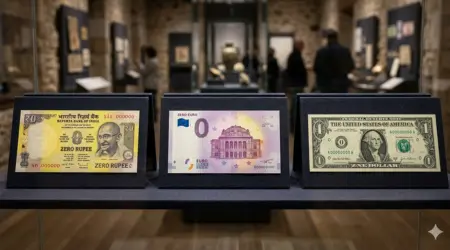
Conocidos como el "Euro Souvenir", estos billetes morados están impresos en papel de billetes auténtico por empresas especializadas como Oberthur Fiduciaire en Francia.
Aunque carecen de poder adquisitivo, utilizan las mismas medidas de seguridad sofisticadas que se encuentran en los billetes de 20 o 50 euros en circulación, incluidos hologramas y marcas de agua.
Estos billetes rinden homenaje a la historia local, con imágenes que van desde la Torre Eiffel hasta leyendas del deporte alemán, y sirven como recuerdos de alta calidad para los viajeros.
Lea también: Cómo el Antiguo Egipto gravaba la cerveza y por qué funcionaba
¿Cómo beneficia el euro cero al turismo?
Los lugares turísticos utilizan estos billetes para recaudar fondos para la conservación del patrimonio histórico, al tiempo que ofrecen a los visitantes una muestra tangible y auténtica de la experiencia europea.
Son mucho más prestigiosos que un llavero de plástico barato, ya que apelan al profundo deseo humano de coleccionar objetos "oficiales" de nuestros viajes al extranjero.
Dado que el Banco Central Europeo (BCE) aprueba su producción, mantienen un nivel de prestigio que el "dinero de juguete" no oficial simplemente no puede igualar.
Estos productos tienden un puente entre los instrumentos financieros y los recuerdos artísticos, creando un nicho de mercado para los viajeros que desean tener en sus manos un pedazo de historia.
Leer más: La extraña historia de las pólizas de seguro de vida con desconocidos
¿Por qué son populares entre los coleccionistas?
Los numismáticos aprecian estos billetes porque se imprimen en tiradas limitadas y a menudo presentan diseños raros que nunca se repiten.
Un billete comprado por dos euros en un museo puede, con el tiempo, aumentar de valor entre los coleccionistas, creando un mercado insólito para el dinero "sin valor".
¿No resulta irónico que un billete diseñado para no tener ningún valor pueda convertirse en una inversión rentable para quienes comprenden su rareza?
Este El curioso caso de los países que imprimieron billetes $0 Esto demuestra que el sentimiento humano a menudo prevalece sobre la realidad matemática del balance de un banco central.
¿Qué otros ejemplos de moneda sin valor existen?
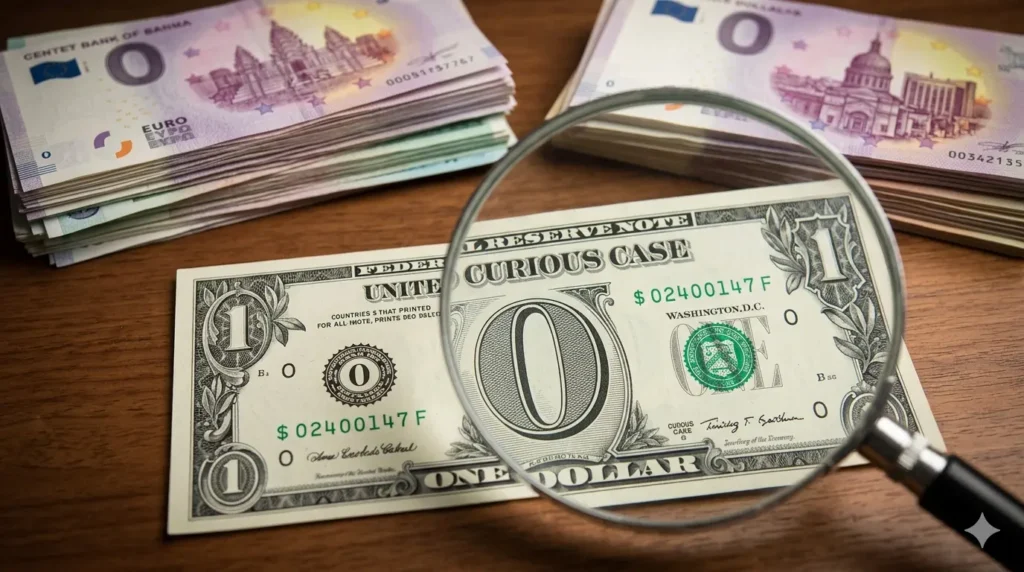
Explorando el El curioso caso de los países que imprimieron billetes $0 Revela que varias naciones han experimentado con monedas simbólicas con fines conmemorativos o educativos.
En 2026, prevemos que estos billetes aparecerán en formatos digitales y físicos como herramientas para la educación financiera y la conciencia histórica.
Desde experimentos bancarios privados hasta "performances monetarias" artísticas, el billete de cero dólares sirve como lienzo para debatir qué es lo que realmente valoramos como sociedad.
Estas notas funcionan como una analogía social, similar a un libro en blanco que invita al lector a escribir su propio significado en las páginas vacías.
¿Pueden los billetes de valor cero enseñar educación financiera?
Algunos programas educativos utilizan "billetes de práctica" sin valor para enseñar a los niños a manejar dinero físico sin riesgo de pérdida o robo.
Esta experiencia práctica ayuda a los estudiantes a comprender las características de seguridad y el peso físico del dinero, preparándolos para el mundo financiero digital y físico del futuro.
Estas sesiones prácticas transforman el concepto abstracto de "valor" en una lección tangible, demostrando que la forma del dinero es tan importante como su función.
Este El curioso caso de los países que imprimieron billetes $0 Esto pone de relieve cómo el diseño de la moneda sigue siendo una parte vital de nuestra infraestructura educativa.
¿Cómo utilizan los artistas el dinero sin valor?
Los artistas conceptuales suelen imprimir sus propios billetes de valor cero para criticar la naturaleza "imaginaria" de la moneda fiduciaria moderna y del sistema bancario global.
Al crear algo que parece oficial pero que no sirve para nada, obligan al público a preguntarse por qué confiamos en un trozo de papel de color.
Estas obras de arte suelen ser muy codiciadas, lo que difumina aún más la línea entre el papel sin valor y los bienes culturales de gran valor en nuestra economía moderna.
Este El curioso caso de los países que imprimieron billetes $0 Nos recuerda que el dinero es, en esencia, una historia compartida en la que todos coincidimos en creer.
El legado del vacío
El El curioso caso de los países que imprimieron billetes $0 Sigue inspirando a activistas y coleccionistas que ven el potencial en el espacio “vacío” del cero.
Es un recordatorio de que podemos redefinir nuestras herramientas de trabajo para que sirvan a nuestros propósitos sociales y morales superiores cuando queramos.
Al despojar al dinero de su valor numérico, revelamos el contrato social que lo hace funcionar, forzando un diálogo entre el ciudadano y el Estado.
Esta es la victoria definitiva de la rupia cero y sus variantes: convirtieron un símbolo de codicia en un símbolo de libertad y verdad colectiva.
Tabla comparativa global de billetes de valor cero
| Tipo de nota | Origen primario | Propósito principal | Material | Nivel de seguridad | Valor de mercado en 2026 |
| Cero rupias | India (Quinto Pilar) | Protesta contra la corrupción | Papel offset | Bajo (Copia visual) | $5 – $20 (Coleccionista) |
| Cero euros | UE (Lugares turísticos) | Recuerdos y patrimonio | Papel de algodón | Alto (Oficial) | $3 – $150 (Rareza) |
| Cero dólares | EE. UU. (Novedad/Arte) | Sátira política | Documento estándar | Ninguno (Satírico) | $1 – $5 (Novedad) |
| Notas del examen | Global (Impresoras) | Pruebas técnicas | Polímero/Algodón | Máximo (oculto) | Privado (Interno) |
| Apuntes escolares | Global (Tecnología Educativa) | Alfabetización financiera | Papel reciclado | Moderado | No aplica (Educativo) |
| Notas de arte | Varios (Galería) | Crítica social | Técnica mixta | Variable | $500+ (Bellas Artes) |
| Conmemorativo | Bancos privados | Conocimiento de la marca | Papel de aluminio de alta calidad | Medio | $10 – $50 (Regalo) |
| Cero digital | Espacio cripto | Pruebas comunitarias | Cadena de bloques | Criptográfico | Variable (NFT) |
Según datos de la Banco Mundial de Numismática (2025)El mercado de "exonumia" (objetos que parecen dinero pero no lo son) ha crecido en 141 TP3T anuales desde 2022.
Este crecimiento confirma que el El curioso caso de los países que imprimieron billetes $0 Es un tema de creciente importancia tanto para los científicos sociales como para los historiadores financieros.
La existencia de dinero sin valor es una prueba de que los seres humanos encuentran significado en los símbolos, independientemente de su utilidad en el mercado.
Ya sea como herramienta para la justicia o como recuerdo de unas vacaciones de verano, estos billetes demuestran que el papel puede tener poder sin tener precio.
El El curioso caso de los países que imprimieron billetes $0 No se trata simplemente de una peculiaridad histórica; es un espejo que refleja nuestra compleja relación con la confianza, la autoridad y los valores.
A medida que avanzamos hacia un futuro sin efectivo, estos objetos físicos permanecerán como recordatorios de las formas creativas en que utilizamos el papel para cambiar nuestro mundo.
En definitiva, las cosas más valiosas de la vida —la integridad, la memoria y el arte— no se pueden comprar con ninguna cantidad de dinero, aunque tenga impreso un uno o cien.
Estas notas simplemente oficializan esa verdad, dándonos un “cero” para recordarnos lo que realmente cuenta al final.
¿Alguna vez has tenido en tus manos un billete aparentemente sin valor que, sin embargo, te pareció increíblemente valioso? ¡Comparte tu experiencia en los comentarios!
¿Puedo usar legalmente un billete de cero euros para pagar algo?
No, son simplemente recuerdos y no tienen poder adquisitivo; intentar utilizarlos como moneda real podría considerarse una forma de fraude en algunas jurisdicciones.
¿Dónde puedo comprar un billete de cero rupias hoy?
Si bien 5th Pillar los distribuye con fines activistas, con frecuencia se encuentran en sitios de subastas para coleccionistas que aprecian su papel histórico en el movimiento anticorrupción.
¿Los billetes de cero euros tienen el mismo tamaño que los euros reales?
Tienen aproximadamente el tamaño de un billete de 20 euros, pero presentan diseños únicos y en ambos lados indican claramente "0 euros" para evitar cualquier confusión con la moneda de curso legal en circulación.
¿Por qué un banco imprimiría un billete de prueba con valor cero?
Las imprentas los utilizan para calibrar máquinas clasificadoras de alta velocidad y verificar tintas de seguridad sin el riesgo de crear dinero "real" que podría ser robado durante la fase de prueba.
