
Déficit financiero: El costo de vida en piloto automático
Anuncios
Costo de vida en piloto automático Constituye el principal catalizador de la silenciosa erosión de la estabilidad de los hogares modernos en las principales economías mundiales actuales.
Cuando las personas delegan sus decisiones financieras en modelos de suscripción recurrentes y transacciones bancarias digitales sin supervisión, las fugas sistemáticas de gastos se vuelven rápidamente completamente incontrolables.
A medida que las presiones económicas se intensifican hasta 2026, depender de hábitos financieros basados en la comodidad empuja a millones de familias de clase media directamente a una grave deuda estructural.
La verdadera recuperación financiera requiere una comprensión estructural profunda e integral de cómo los rasgos de comportamiento pasivos interactúan negativamente con las fuerzas inflacionarias macroeconómicas persistentes.
Descripción general de Core Insight
- La fuga silenciosaLas renovaciones automáticas de las suscripciones y los pagos digitales sin supervisión ocultan los verdaderos gastos mensuales.
- Fricción inflacionaria: Los aumentos de precios macroeconómicos provocan que los valores fijos de las suscripciones consuman silenciosamente el ingreso disponible personal.
- Recuperación efectivaLa transición de la deriva financiera pasiva a los controles manuales del presupuesto previene la degradación sistémica de la riqueza.
¿Qué causa la acumulación de un déficit financiero personal?
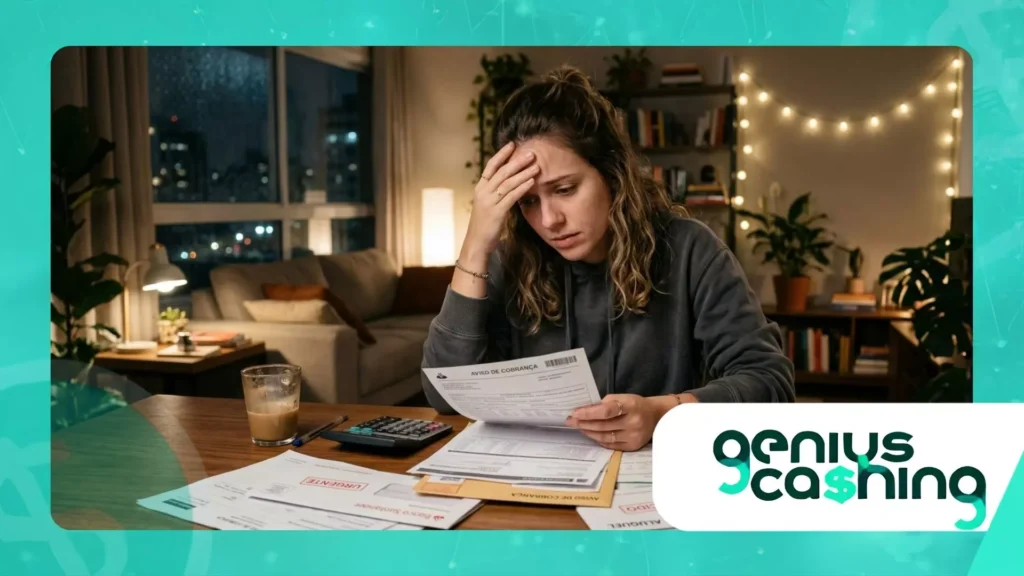
¿Cómo distorsionan los pagos automáticos la percepción real del consumo?
Depender en gran medida de las herramientas de transacción digitales crea una peligrosa desconexión cognitiva entre el simple hecho de deslizar el dedo por el dispositivo y la pérdida del poder adquisitivo real.
Anuncios
Cuando tu aplicación bancaria procesa silenciosamente veinte renovaciones de software recurrentes distintas cada mes, tu cerebro no registra el impacto financiero acumulativo.
Este distanciamiento psicológico convierte tu cartera en un barco con fugas por donde el dinero se escapa antes de que puedas siquiera rastrearlo.
Piensa en lo fácil que es ignorar pequeños cargos recurrentes de diez dólares por aplicaciones para smartphone o actualizaciones de almacenamiento en la nube en tu extracto bancario.
En el transcurso de un año fiscal típico, estos gastos minúsculos se consolidan en miles de dólares de destrucción de riqueza pasiva y no documentada.
Este despilfarro sin control reduce rápidamente tu principal red de seguridad de ahorros sin que te des cuenta ni des tu aprobación explícita en el día a día.
¿Por qué la alta inflación macroeconómica agrava las decisiones pasivas?
El peligro estructural de mantener una rigidez Costo de vida en piloto automático Se multiplica drásticamente cuando los precios del mercado global aumentan inesperadamente.
Cuando las compañías de servicios públicos, las aseguradoras y las plataformas de streaming aumentan discretamente sus tarifas mensuales en un quince por ciento, los consumidores pasivos permanecen completamente ajenos a ello.
Sus gastos estructurales básicos aumentan mientras que su salario fijo corporativo permanece completamente estancado durante el mismo período.
Un estudio reciente del Bank of America sobre el gasto de los hogares reveló que el 341% de los consumidores adultos gasta sistemáticamente más de lo que gana cada mes.
Este dato alarmante subraya lo peligrosa que resulta la dependencia pasiva cuando las fuerzas macroeconómicas ajustan activamente el coste subyacente de los bienes básicos.
Ignorar pequeños cambios estructurales en los precios durante doce meses garantiza un déficit presupuestario personal sustancial que, en última instancia, requerirá la intervención mediante créditos con intereses elevados.
¿Cómo amenaza el gasto pasivo la preservación del patrimonio a largo plazo?

¿Cuál es la trampa del estilo de vida descontrolado para los trabajadores modernos?
Cuando los profesionales reciben un ascenso o un aumento de sueldo, suelen incrementar automáticamente sus hábitos de consumo diarios.
Optan por servicios de entrega de comidas gourmet de alta gama o se suscriben a gimnasios de lujo sin establecer límites financieros claros a largo plazo.
Este ajuste inconsciente garantiza que unos mayores ingresos simplemente alimenten un mayor despilfarro inicial en lugar de expandir las carteras de inversión o los activos líquidos.
¿Por qué trabajamos jornadas agotadoras solo para que los sistemas de pago automáticos vacíen nuestras cuentas antes de que podamos ahorrar?
Este deterioro progresivo del estilo de vida crea una realidad económica frágil en la que un solo despido inesperado en una empresa o una emergencia médica desencadena la insolvencia inmediata.
Sus gastos fijos siguen siendo increíblemente altos, mientras que su principal fuente de ingresos desaparece por completo, dejándolo con enormes deudas.
++ Errores de fijación de precios que conducen directamente a un déficit
¿Cómo convierte el interés compuesto los pequeños déficits en desastres financieros?
Cuando tus gastos mensuales recurrentes superan sistemáticamente tu salario neto real, la deuda de la tarjeta de crédito inevitablemente interviene para cubrir la diferencia.
Mantener un saldo de tan solo tres mil dólares a una tasa de interés típica del veinticuatro por ciento desencadena un ciclo catastrófico de destrucción de riqueza.
Los intereses compuestos crecen rápidamente y superan la deuda principal inicial, atrapando el presupuesto familiar en un déficit financiero permanente.
Imagina este ciclo acumulativo como una pesada bola de nieve que rueda cuesta abajo por una colina helada, acumulando masa destructiva con cada giro.
Lo que comenzó como unas pocas suscripciones a medios de comunicación inofensivas y olvidadas se convierte con el tiempo en una aplastante muralla de deuda de consumo con altos intereses.
Para liberarse de esta trampa en particular, se requiere un control manual absoluto sobre cada centavo que entra o sale de su hogar.
Leer más: Cómo el gasto en productos de conveniencia alimenta el déficit financiero
¿Por qué la elaboración de un presupuesto consciente es la solución definitiva para la recuperación?
¿Cómo contribuye el seguimiento de tu flujo de caja a recuperar la verdadera autonomía económica?
Para recuperar el control de tu futuro financiero, debes cancelar de inmediato todos y cada uno de los mecanismos de pago automatizados vinculados a tus cuentas.
Obligarte a revisar, autorizar y ejecutar físicamente cada transacción reintroduce la fricción psicológica necesaria en tus hábitos de gasto diarios.
Este paso consciente te obliga a afrontar la realidad de tus decisiones de consumo, eliminando instantáneamente los gastos impulsivos y de bajo valor en compras minoristas.
Por ejemplo, cuando usted realiza manualmente una transferencia bancaria para un gimnasio de lujo al que nunca acude, la cancela.
Este sencillo acto de revisión operativa activa ahorra cientos de dólares al año que, de otro modo, se esfumarían en los márgenes de beneficio de la empresa.
El seguimiento activo te transforma de un pasajero pasivo en un navegante con poder de decisión que dirige explícitamente adónde va tu patrimonio.
Lea también: ¿Por qué las renovaciones automáticas aumentan rápidamente el déficit financiero?
¿Qué marcos presupuestarios estructurales son los más eficaces para erradicar el despilfarro inconsciente?
Implementar un sistema estricto de presupuesto de base cero requiere que asigne cada dólar de sus ingresos mensuales a una categoría específica.
Bajo este riguroso sistema, sus ingresos totales menos sus gastos, inversiones y objetivos de ahorro previstos siempre deben ser iguales a cero.
Este método evita que el dinero no asignado se desvíe hacia compras impulsivas o suscripciones de entretenimiento olvidadas a final de mes.
Al asignar activamente un propósito claro a tu dinero, eliminas las zonas grises donde suele proliferar el desvío gradual del gasto.
Empiezas a priorizar la libertad financiera a largo plazo por encima de la satisfacción inmediata que producen las compras digitales automáticas y sin complicaciones con un solo clic.
Este enfoque disciplinado actúa como un muro de contención inquebrantable, protegiendo su patrimonio, fruto de mucho esfuerzo, de las constantes tentaciones del consumismo moderno.
Comparación de arquitectura de bajo presupuesto nacional
La matriz de datos que se muestra a continuación compara los impactos estructurales a largo plazo de los hábitos financieros pasivos con la gestión activa del flujo de caja.
| Variable de gestión financiera | Costo de vida en piloto automático | Presupuesto activo de base cero |
| Visibilidad de las transacciones | Bajo (oculto tras facturas automáticas) | Alto (Cada transacción se registra manualmente) |
| Susceptibilidad a las subidas de precios | Alto (Los aumentos de tarifas pasan completamente desapercibidos) | Bajo (Los ajustes de precio activan una revisión) |
| Índice de desperdicio mensual promedio | De 12% a 18% de ingresos netos | Menos de 2% de ingresos totales |
| Estabilidad de los ahorros de emergencia | Vulnerable (constantemente agotado por fugas) | Sólido (financiado sistemáticamente cada mes) |
| Principal impulsor de la deuda | Infiltración inconsciente de suscripciones y estilos de vida | Ninguno (Gasto limitado a las reservas de efectivo) |
| Crecimiento de la riqueza a largo plazo | Estancado (Riqueza consumida por decisiones pasivas) | Exponencial (Capital de inversión maximizado) |
Recuperando la soberanía sobre su patrimonio
Desmantelando su Costo de vida en piloto automático Es un acto necesario de autodefensa financiera en nuestra acelerada economía moderna.
Dejar tus decisiones financieras en piloto automático garantiza que los sistemas de facturación automatizados de las empresas irás mermando progresivamente tu patrimonio personal.
Adoptar una gestión activa y manual de tu flujo de caja cierra instantáneamente las fugas estructurales de gastos y fortalece tus ahorros a largo plazo.
En definitiva, la verdadera tranquilidad económica no proviene de cuánto ganas, sino de cómo asignas tu capital de forma intencionada.
Al tomar la iniciativa y gestionar tu presupuesto de forma consciente, sustituyes los déficits financieros estresantes por una prosperidad predecible y creciente.
Deja de gestionar tus finanzas en piloto automático hoy mismo, retoma el control y asegura el futuro brillante que te mereces.
¿Estás listo para revisar tus extractos bancarios y eliminar las suscripciones ocultas este fin de semana? ¡Comparte tus consejos y experiencias sobre finanzas personales en la sección de comentarios!
Preguntas frecuentes
¿Cuál es la forma más rápida de identificar los gastos ocultos en suscripciones recurrentes?
Descarga tus extractos bancarios de los últimos tres meses, resalta todos los cargos automáticos y cancela inmediatamente los servicios que no hayas utilizado.
¿Con qué frecuencia debo actualizar manualmente mi hoja de seguimiento del presupuesto familiar?
Dedica quince minutos cada fin de semana a registrar tus gastos, asegurándote de que tus patrones de gasto se ajusten a tus objetivos mensuales.
¿Pueden los pagos automáticos de facturas resultar útiles para los ahorradores disciplinados?
Automatizar las transferencias de ahorros e inversiones es muy beneficioso, pero las facturas de servicios públicos automatizadas aún requieren una verificación manual minuciosa y periódica.
¿Cancelar las cuentas de streaming que no utilizo afectará significativamente mi déficit financiero?
Si bien una sola suscripción puede parecer insignificante, cancelar varios servicios ocultos ahorra miles de dólares con el tiempo, lo que ayuda a revertir un déficit presupuestario estructural.
