Fatiga de suscripciones: cómo los pagos mensuales generan déficits financieros de forma silenciosa

Anuncios
Subscription Fatigue is the psychological and financial exhaustion consumers feel from managing countless recurring monthly payments for digital and physical services.
As we enter 2026, the average household spends significantly more on software, streaming, and deliveries than on traditional utilities.
This silent economic drain creates a personal financial deficit by masking small, repetitive costs that accumulate into massive annual expenses.
Consumers often ignore these micro-transactions until their bank balance reveals a hollowed-out middle class reality that is increasingly difficult to sustain.
Why is Subscription Fatigue Draining Modern Bank Accounts?
The phenomenon known as Subscription Fatigue occurs when the sheer number of recurring bills exceeds a consumer’s ability to track or value them.
Anuncios
Companies have pivoted toward “Software as a Service” (SaaS) models because they ensure predictable revenue at the expense of consumer savings.
Many people find themselves paying for “ghost services” that they no longer use but fail to cancel due to complex digital hurdles.
This structural shift in the economy has transformed the traditional concept of ownership into a permanent state of digital rent-seeking.
How Does the “Micro-Transaction” Model Mask Real Costs?
Pricing a service at ten dollars a month makes it feel affordable compared to a one-time purchase of one hundred and twenty dollars.
This psychological trick encourages consumers to stack multiple services without considering the long-term impact on their net worth or monthly cash flow.
A single forgotten streaming app might seem harmless, but ten such apps create a hundred-dollar hole in your budget every single month.
Over a decade, these unmanaged habits can cost an individual over twelve thousand dollars in lost investment potential.
++ Ofertas tóxicas: cuando los descuentos generan déficit financiero
What is the Psychology Behind Auto-Renewal Habits?
Auto-renewal features capitalize on human inertia and the “set it and forget it” mindset that dominates modern digital consumption.
Once a credit card is on file, the friction of payment disappears, making the financial loss feel invisible to the brain.
Companies intentionally design cancellation processes to be frustrating, a tactic known as “dark patterns,” which further cements Subscription Fatigue.
The resulting financial leak is often only discovered during a rare and painful audit of bank statements.
Lea también: El poder de la pausa: Por qué detener proyectos puede salvar tus finanzas
Why Are Physical Goods Moving to Subscription Models?
From coffee beans to razor blades and even heated seats in luxury cars, everything is becoming a recurring bill in 2026.
This trend forces consumers to subscribe to basic lifestyle needs that were previously simple, one-time cash transactions.
This shift creates a rigid budget where “fixed costs” dominate, leaving little room for emergency savings or discretionary spending.
It represents a fundamental loss of financial flexibility for the average worker who is now tethered to dozens of vendors.
Leer más: Cuando recortar salarios es la peor manera de gestionar un déficit
How Do Free Trials Lead to Permanent Deficits?
The “free trial” is a powerful predatory marketing tool designed to hook consumers into a cycle of Subscription Fatigue before they realize it.
Most people forget to set a reminder to cancel, leading to an automatic charge once the trial period ends.
These small charges often go unnoticed for months because they blend into the noise of a busy digital life. By the time the user realizes the error, they have already gifted the corporation significant capital for zero utility.
How Can Consumers Identify and Eliminate Redundant Bills?
Combatting Subscription Fatigue requires a proactive and almost aggressive approach to personal finance that most people are too busy to maintain.
It starts with a comprehensive audit of every digital handshake made over the past twelve years.
Financial health in 2026 depends on your ability to say “no” to the convenience of the recurring charge. If a service does not provide immediate, weekly value, it is likely a parasite on your financial future.
What Tools Help Track Recurring Monthly Payments?
Specialized financial apps now exist solely to scan your bank transactions and highlight recurring payments that you might have forgotten.
These tools act as a digital janitor, cleaning up the mess of years of impulsive “one-click” sign-ups.
Using these apps can reveal hundreds of dollars in savings within minutes by identifying duplicate services or tiers you no longer need.
This is the first step in reversing the damage caused by Subscription Fatigue and reclaiming your budget.
Why is the “Manual Audit” Method More Effective?
While apps are helpful, manually reviewing a physical bank statement forces you to confront the reality of your spending habits.
Seeing the names of companies you haven’t interacted with in months listed next to your hard-earned money is a powerful motivator.
This process builds a mental connection between your labor and your expenses that digital automation tends to erode over time.
A manual audit is the ultimate cure for the financial numbness associated with modern digital consumption.
What is an Original Example of Subscription Redundancy?
Consider a professional who pays for a premium LinkedIn account, a specialized industry newsletter, and a cloud storage service they rarely use.
Simultaneously, their spouse pays for a different cloud service and a separate news aggregate that covers similar topics.
By consolidating these into a single family plan or cancelling the redundant news services, the household could save sixty dollars monthly.
This simple act of awareness stops the spread of Subscription Fatigue and boosts their monthly savings rate immediately.
How Can “Subscription Shifting” Save Your Budget?
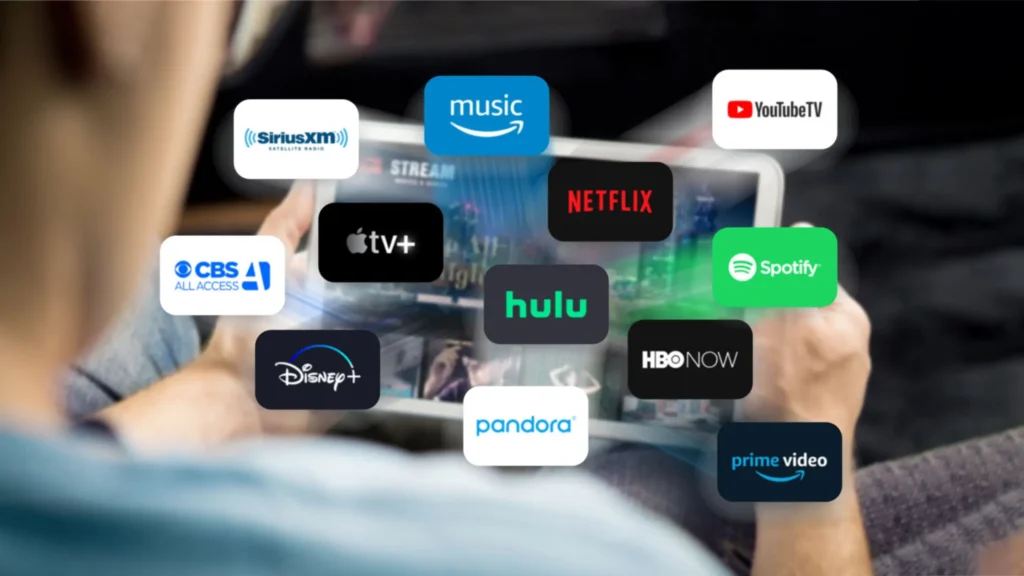
A smart strategy for 2026 is “Subscription Shifting,” where you only subscribe to one streaming service at a time for a single month.
You binge-watch your desired content and then immediately cancel to switch to a different provider the next month.
This method ensures you never pay for a service you aren’t actively using while still enjoying a variety of entertainment options.
It turns the subscription model back into a “pay-per-use” system that favors the consumer’s wallet over the corporation’s bottom line.
What is the Future of the Subscription Economy in 2026?
The market is reaching a breaking point where the average consumer can no longer afford to add another monthly line item.
In 2026, we are seeing “Subscription Bundles” return, effectively recreating the old cable TV models we once tried to escape.
However, these bundles often hide even more costs while making it harder to untangle individual services from your life.
Understanding the future of Subscription Fatigue is essential for anyone trying to avoid a permanent financial deficit in the coming years.
Why Are Corporations Doubling Down on Recurring Revenue?
Wall Street rewards companies with “recurring revenue” models with higher valuations because the income is more stable and predictable than one-time sales.
This pressure from investors means every company from software to hardware is incentivized to trap you in a subscription.
This corporate greed is the primary driver of Subscription Fatigue, as companies prioritize their “churn rate” over the actual value they provide.
The consumer becomes a harvestable resource rather than a respected customer in this predatory economic cycle.
What Does Research Say About Consumer Spending Habits?
A 2025 study by West Monroe found that the average consumer underestimates their monthly subscription spend by a staggering $197 per month. Most people believe they spend around $80, when the reality is closer to $277.
This gap between perception and reality is the “danger zone” where personal financial deficits are born and bred.
The study proves that Subscription Fatigue is not just an annoyance but a significant threat to long-term wealth accumulation and retirement goals.
What Analogy Best Describes Subscription Overload?
Managing a modern budget is like trying to fill a bucket with twenty small holes in the bottom. No matter how much water (income) you pour in, the bucket never stays full because of the constant, tiny leaks.
You can try to pour water faster, but the real solution is to plug the holes one by one.
If you don’t address the leaks caused by Subscription Fatigue, you will spend your entire life working harder just to keep the bucket from going empty.
Is Legislative Action Necessary to Protect Consumers?
Many consumer advocates are calling for “One-Click Cancellation” laws that force companies to make leaving a service as easy as joining it.
These laws aim to level the playing field and reduce the involuntary deficit caused by deceptive retention tactics.
Until such laws are universal, the burden of protection remains with the individual consumer to guard their bank account.
Awareness of Subscription Fatigue is your best defense against the quiet erosion of your financial independence in a subscription-obsessed world.
Common Hidden Costs of the Subscription Economy (2026)
| Service Category | Monthly Cost (Avg) | Annual Deficit | Usage Reality (Est) |
| Streaming Video (3+ apps) | $45.00 | $540.00 | Only 1 app used regularly |
| Cloud Storage (Redundant) | $12.00 | $144.00 | Often included in other plans |
| Premium News/Substack | $30.00 | $360.00 | 70% of content remains unread |
| Gym/Fitness Apps | $25.00 | $300.00 | Used less than 4 times a month |
| Delivery Services (Pro) | $15.00 | $180.00 | Benefit offset by higher menu prices |
En conclusión, Subscription Fatigue is a modern financial epidemic that requires a disciplined and intentional cure.
By auditing your recurring payments, recognizing the psychological traps of auto-renewal, and consolidating redundant services, you can stop the silent drain on your wealth.
The subscription model is designed to benefit the seller, not the buyer, so you must be the gatekeeper of your own capital.
Don’t let ten-dollar charges dictate your financial future or prevent you from reaching your long-term goals.
Is your current “digital lifestyle” worth the thousands of dollars it will cost you over the next decade?
Managing your money is about making conscious choices rather than letting automated systems drain your potential.
Take control today and plug the leaks in your bucket. Compartilhe sua experiência nos comentários!
Preguntas frecuentes
How many subscriptions does the average person have?
Recent data from 2026 suggests the average urban professional manages between 12 and 15 different subscriptions, including entertainment, software, and lifestyle services.
What is the fastest way to find all my subscriptions?
Search your email inbox for keywords like “receipt,” “invoice,” “subscription,” or “auto-renew.” This will capture the digital trail of almost every recurring payment attached to your accounts.
Why is Subscription Fatigue harder to manage in 2026?
It is harder because services are now bundled and integrated into “ecosystems,” making it difficult to cancel one without losing access to other features you might actually need.
Are there “Free” ways to manage this?
Yes, many banks now offer a “merchant list” in their mobile app that categorizes recurring charges. You can also use a simple spreadsheet to track your bills without paying for an audit app.
Should I use a “Burner” card for free trials?
Yes, using virtual credit cards with a set spending limit of $1 is an excellent way to prevent accidental charges when a free trial ends and Subscription Fatigue sets in.