
The First Business Scam in History — And What It Taught Us
Anúncios
Long before Wall Street, corporate takeovers, or digital frauds, there was deception.
The first business scam in history wasn’t a modern scheme dressed in spreadsheets—it was a story of trust betrayed, of goods promised but never delivered, and of the timeless tension between ambition and ethics. Though centuries have passed, the underlying lessons remain strikingly relevant.
The roots of fraud run deep—not in the sophistication of the lie, but in the emotional environment that makes it believable.
What Really Happened: A Deception Born in Trade That Shaped the Foundations of Business Law
According to a report by the Association of Certified Fraud Examiners, organizations lose an estimated 5% of their annual revenue to fraud—a figure that spans industries and continents. This data highlights how systemic and persistent financial deception remains, regardless of regulation or technological advancement.
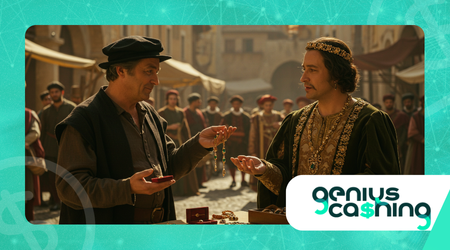
Historians often point to ancient Mesopotamia for early commerce. But it’s in the records of ancient Greece and Rome where we begin to see something more than just trade—we find manipulation. One of the earliest documented business scams involved fraudulent grain sales in ancient Athens.
Anúncios
Merchants, exploiting a food shortage, falsely claimed to have large shipments of grain arriving. They took prepayments from desperate buyers but delivered nothing.
This wasn’t just about the loss of grain. It was about the erosion of public trust. Once exposed, the scam led to harsh penalties—but not before shaking the confidence of a city already on edge from scarcity.
The damage extended far beyond money. This event helped catalyze the early formation of legal and ethical frameworks in trade—a precedent that continues to echo.
The very existence of commercial regulation in modern times owes a debt to these early examples of abuse.
Read also: Equity Financing 101: Understanding Business Capital Structure
Why It Worked So Well: Fear, Urgency, and the Psychology of Desperation
What made the first business scam effective wasn’t complexity—it was timing. When people are afraid, they take risks they’d normally avoid.
The merchants understood this. They sold hope in a moment of need, and that hope blinded people to the absence of verification.
The same dynamics exist today. In moments of market downturns or product shortages, scammers exploit emotional vulnerability.
They know that urgency lowers skepticism. That pattern has repeated in every century since. The simplicity of this psychological equation—emotion over logic—has always been more effective than any con artist’s script.
Scammers are not just deceivers—they are readers of human behavior. They succeed not by inventing needs, but by weaponizing existing ones.
That’s what made the ancient scam so powerful—it took advantage of hunger, fear, and misplaced trust. And those emotions still drive decisions in modern boardrooms and investor calls alike.
What We Still Haven’t Learned: Trust Remains the Weakest Link
Scams evolve, but their core structure remains the same. A believable story. A perceived opportunity. A ticking clock. And a target who’s just desperate or greedy enough to say yes without verifying.
Modern investors fall for pump-and-dump schemes. Startups exaggerate traction. Founders overstate partnerships. Even in regulated markets, trust remains fragile—and fraud still finds its way through the cracks.
What we haven’t learned is how easily credibility can be weaponized. The first scam teaches us that even a handshake economy needs systems of accountability. Transparency without verification is still a risk. And confidence alone isn’t proof.
Even in a world driven by contracts and compliance, the true vulnerability lies in the willingness to believe. The scam in Athens worked not because there were no rules, but because people assumed rules were being followed. That blind spot still exists.
A Warning for Founders and Funders: Caution Isn’t Cynicism—It’s Strategy
If you’re building a business—or funding one—remember this: too-good-to-be-true still means exactly that. Scrutiny isn’t cynicism. It’s protection.
Ask for proof. Test assumptions. Look past charisma and polish. Because the people who got scammed in ancient Athens weren’t foolish—they were simply human. They wanted to believe.
And when belief outpaces due diligence, history repeats itself. Your skepticism might save your capital, your brand, or your future reputation.
In today’s high-growth environment, caution is often seen as friction. But speed without scrutiny is the shortest path to collapse. Protecting yourself doesn’t mean slowing down—it means building with eyes open.
Conclusion: Ancient Deception, Modern Lessons That Still Apply
The first business scam in history reminds us that fraud isn’t a glitch in the system—it’s part of human nature. Wherever there’s money, ambition, or fear, there will be someone tempted to bend the truth for gain.
The best defense isn’t better rules—it’s better awareness. Understand the emotional forces at play. Study how manipulation works. And never trade skepticism for speed.
History has already shown us how it starts. What we choose to do with that knowledge is what determines if it ends any differently this time. The smartest business minds don’t just learn from success—they obsess over the failures they never want to repeat.
If you want to build something that lasts, make awareness your first investment. The story of the first scam isn’t just a cautionary tale—it’s a blueprint for resilience. The next chapter is yours to write.
Questions About the First Business Scam in History
When did the first business scam happen?
Records trace some of the earliest scams to ancient Greece, particularly during times of food shortages and market instability.
Why do business scams continue to succeed?
Because they prey on emotions—fear, greed, urgency. These traits remain consistent across cultures and eras.
How can businesses protect themselves from scams?
Implement due diligence protocols, verify all claims, and cultivate a culture where questioning is encouraged.
Is regulation enough to stop scams?
No. Scammers often find ways around regulations. Education, skepticism, and system checks are key defenses.
What’s the biggest lesson from the first scam?
That trust, once broken, has wide consequences. And that due diligence is not optional—it’s essential.
What modern scams mirror the ancient example?
Pump-and-dump stock schemes, fake investment offers, and exaggerated startup valuations all echo the same core structure: false promises sold during times of urgency.
How can founders avoid becoming unintentionally deceptive?
By leading with transparency, documenting proof of claims, and building a culture of accountability from day one. Avoid overpromising—especially under pressure.