
The Rise and Fall of the “Richest Town” That No Longer Exists

Anúncios
Richest Town status was once the proud hallmark of Picher, Oklahoma, a place that literally fueled the American war machine during the twentieth century.
This community did not merely exist; it thrived on a scale that few modern mining hubs can imagine today.
The earth beneath its streets held a fortune in lead and zinc, powering the bullets used in both World Wars.
However, this immense wealth came with a devastating price tag that ultimately erased the town from the map.
Chronicles of an Extinct Hub
- The Golden Era: A look at the peak production years and the influx of massive wealth into the region.
- Environmental Toll: Understanding how mining practices led to the town’s classification as a Superfund site.
- The Final Exodus: The government-led buyout and the natural disasters that sealed the town’s fate.
- Legacy of Picher: Lessons learned from the intersection of industrial greed and ecological sustainability.
What defined the peak of this industrial titan?
Picher emerged as the Richest Town in the Tri-State district because of its staggering mineral output between 1917 and 1947.
Anúncios
Miners extracted millions of tons of ore, creating a local economy that defied the hardships of the Great Depression.
Families flocked there for high wages, building a bustling downtown filled with theaters, shops, and luxury goods.
It was a place where the American Dream seemed carved directly out of the subterranean rock.
How much wealth did the mines generate?
During its prime, the Picher field produced over $20 billion in metals when adjusted for 2026 inflation rates.
This incredible revenue stream supported over 14,000 residents and fueled the industrial expansion of the entire Midwestern United States.
It provided nearly half of the lead and zinc used by the U.S. military during World War I.
This strategic importance meant the town enjoyed federal attention and rapid infrastructure development far beyond its rural peers.
++ How Monopoly Helped POWs Escape During World War II
Why did the population collapse so rapidly?
Wealth turned into a curse when the hills of waste, known as chat piles, began poisoning the local groundwater and air.
By the 1990s, studies revealed that 34% of the town’s children suffered from lead poisoning, affecting their cognitive development.
The ground itself became treacherous, with massive sinkholes threatening to swallow entire homes without warning.
When the EPA declared it a terminal hazard, the government began buying out residents, effectively ending the town’s century-long story.
Why did the environmental disaster lead to total abandonment?
The fall of the Richest Town serves as a stark warning about the long-term costs of neglecting ecological health.
After the mines closed in the late 1960s, the pumping of water stopped, allowing toxic aquifers to overflow into the creek.
Red water became a local reality, and the white chat piles loomed over schools like snowy mountains made of poison.
Residents fought to stay, but the land was literally crumbling beneath their feet, making insurance and safety impossible.
Also read: How Ancient Egypt Taxed Beer — and Why It Worked
What role did natural disasters play in the end?
A violent EF4 tornado ripped through the remaining structures in 2008, killing six people and destroying the few viable homes left.
This event acted as a grim exclamation point on an already tragic decline, convincing the final holdouts to leave.
Federal authorities decided that rebuilding was not an option given the underlying mine instability.
The storm didn’t just break buildings; it broke the collective will of a community that had survived decades of toxic exposure.
Read more: The Bizarre History of Life Insurance Policies on Strangers
How does Picher look in 2026?
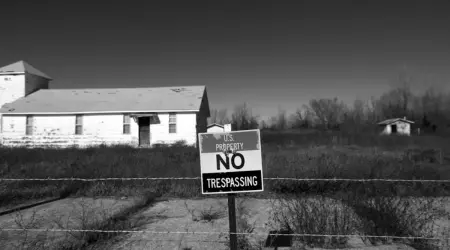
Today, Picher is a ghost town where nature is slowly reclaiming the cracked asphalt and skeletal remains of the post office.
It is a haunting museum of industrial ambition, where the wind whistles through empty lots once worth millions.
The site remains under federal monitoring, as the chat piles still require massive remediation efforts to prevent further contamination.
It stands as a silent sentinel, reminding us that true prosperity cannot be built on an unsustainable foundation.
What can modern cities learn from Picher’s fate?
The Richest Town legacy is a reminder that economic growth and environmental protection must be inseparable partners in development.
If we prioritize short-term extraction over long-term stability, we risk creating more “dead zones” in our quest for profit.
Picher was like a bright candle that burned both ends until the wax itself turned to poison. It proves that even the most prosperous economy can vanish if the local ecosystem is sacrificed on the altar of industry.
Is there a chance for the land to recover?
Ecological recovery is a slow process, estimated to take centuries before the soil is safe for human habitation again.
Current efforts focus on “capping” the waste to stop lead dust from traveling to neighboring active communities.
Research from the University of Oklahoma indicates that local flora is beginning to adapt, though the heavy metal concentrations remain lethal.
This slow rebirth is a testament to nature’s resilience, even when faced with the harshest human-made conditions.
How do we prevent similar collapses today?
Modern regulations now mandate that mining companies set aside “reclamation bonds” to ensure the land is restored after production.
These legal frameworks aim to prevent the “hit and run” industrialism that left Picher in ruins and the taxpayers with the bill.
Strategic planning now involves comprehensive impact assessments that consider the health of the community for generations.
We have learned that the true cost of a bullet or a battery includes the health of the town where it was born.
Economic and Demographic Summary of Picher
| Indicator | Peak Era (1920s) | Decline (1990s) | Current Status (2026) |
| Population | 14,252 | 1,640 | 0 (Unincorporated) |
| Primary Industry | Lead & Zinc Mining | Remediation | Ghost Town |
| Metal Output | $20B (Adj. Value) | $0 | $0 |
| Health Metric | High Wages | 34% Lead Poisoning | Environmental Hazard |
| Ground Stability | Solid (Perceived) | High Subsidence Risk | Collapsed Areas |
The story of the Richest Town is a poignant chapter in American history that reflects our complex relationship with the earth’s resources.
Picher’s rise was a miracle of engineering and grit, but its fall was a predictable result of environmental neglect.
As we look at the ruins of this once-great hub, we must ask ourselves if our current “booms” are truly sustainable.
The silence of Picher today is a powerful voice in the global conversation about green energy and responsible mining.
We must honor the memory of those who lived there by ensuring their tragedy is never repeated in our pursuit of progress.
Have you ever visited a ghost town or seen the effects of industrial decline in your own region? Share your experience in the comments!
Frequently Asked Questions
Why can’t people live in Picher anymore?
The ground is unstable due to undermined caverns, and the soil contains toxic levels of lead and zinc that cause permanent neurological damage.
What happened to the people who left?
Most were given federal buyouts through the Lead-Impacted Communities Relocation Assistance Trust and moved to nearby towns like Quapaw or Miami, Oklahoma.
Is Picher the only town to face this?
No, neighboring Cardin and Treece faced similar fates, but Picher was the largest and most prominent of the Tri-State mining communities.
Are there still chat piles in the area?
Yes, though many are being sold for use in asphalt or gravel after being treated to reduce their toxicity and dust levels.
Can I visit Picher today?
While public roads pass through, it is discouraged to wander the ruins due to the risk of sinkholes and the high concentration of toxic dust.