
Why Disaster Assistance Claims Can Stall After a Major Storm
Anúncios
Disaster Assistance Claims Can Stall After a Major Storm and leave thousands of vulnerable homeowners waiting months for essential recovery funds to rebuild their lives.
I have witnessed how catastrophic weather events expose deep structural flaws within Federal Emergency Management Agency (FEMA) operations and private insurance networks.
When severe weather strikes, the sudden influx of applications creates immediate administrative bottlenecks, resulting in severe processing delays across local, state, and federal administrative bodies.
Understanding the precise root causes behind these delays is essential for disaster survivors who must navigate complex regulatory documentation, rigorous inspection standards, and strict appeals timelines.
To help you navigate this comprehensive investigative report, here is an overview of the key topics analyzed below:
Anúncios
- Why Do Federal and Private Claim Systems Overload?
- What Happens When Application Volumes Surge?
- How Does Bureaucratic Red Tape Slow Approval Timelines?
- Why Do Document Verification Failures Cause Immediate Suspensions?
- What Role Do Verification and Property Inspection Hurdles Play?
- Why Are On-Site Adjuster Shortages Delaying Field Inspections?
- How Do Pre-Existing Damage Disputes Harm Claim Approvals?
- What Challenges Arise From Conflicting Insurance Coverage Rules?
- How Can Applicants Resolve Bureaucratic Bottlenecks and Secure Funds?
- How Can Survivors Avoid Document Errors on Disaster Portals?
- Why Is Fast-Tracking the FEMA Appeal Process So Critical?
- What Legal Protections Safeguard Applicants From Improper Claim Denials?
- Comparative Analysis of Major Claim Stalling Factors
- Navigating the Path Forward for Disaster Recovery
- Frequently Asked Questions
Why Do Federal and Private Claim Systems Overload?
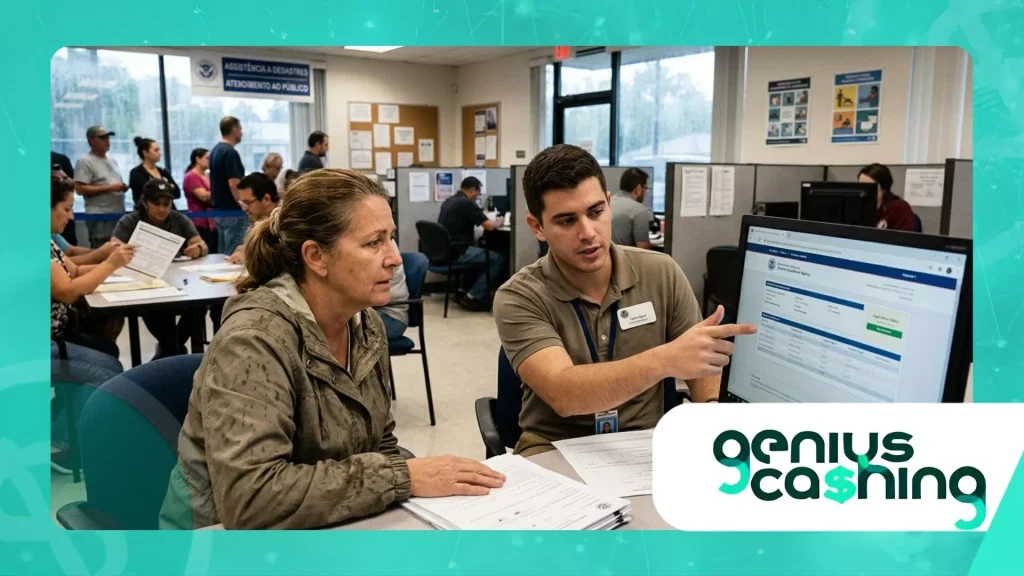
What Happens When Application Volumes Surge?
Massive natural disasters force emergency management systems to handle millions of complex claims simultaneously within an extremely short operational timeframe.
According to official data from the Government Accountability Office (GAO), major hurricane seasons regularly cause severe processing backlogs at FEMA, with initial application review times stretching from standard days into long months.
This massive influx immediately exhausts federal server infrastructure, strains call centers, and exhausts qualified personnel who must manually verify identity credentials and damage photos.
Think of a major relief agency trying to process claims as a narrow highway during an emergency evacuation: when millions of vehicles enter at the exact same second, complete traffic gridlock is statistically inevitable.
Private insurers face parallel administrative collapses because their customer service desks receive millions of simultaneous calls, leaving field adjusters hopelessly overstretched across vast disaster zones.
Consequently, legitimate files sit untouched in digital queues while displaced families struggle without basic emergency housing grants or structural repair funding.
How Does Bureaucratic Red Tape Slow Approval Timelines?
Extensive regulatory compliance frameworks designed to prevent public fraud inadvertently create massive procedural friction for honest storm survivors seeking urgent aid.
Federal statutes require disaster benefit administrators to execute multi-layered cross-checks across federal databases to confirm social security numbers, residency status, and primary home ownership.
While these anti-fraud measures protect taxpayer money, they create endless administrative hurdles that slow down the distribution of emergency funds to legitimate victims.
Furthermore, applicants frequently face confusing jurisdictional overlaps between municipal recovery offices, state disaster management authorities, and federal benefit clearinghouses.
Each entity demands separate documentation, specific filing formats, and distinct verification signatures before releasing a single dollar of financial support.
This convoluted administrative maze leaves disaster survivors trapped in endless paperwork cycles, where minor administrative errors completely halt claim processing.
++ When Temporary Relief Programs Become Permanent Policies
Why Do Document Verification Failures Cause Immediate Suspensions?
Missing or mismatched personal documentation represents one of the single largest triggers for immediate benefit suspensions following major natural disasters.
When storm survivors lose physical deeds, utility bills, or tax records in floodwaters, automated verification algorithms automatically flag their applications for manual review.
Once a file enters manual review status, it is routinely sidelined until human case workers can individually verify alternative proof of legal occupancy.
Have you ever wondered why simple administrative discrepancies cause months of financial paralysis for families who have lost everything overnight?
Disaster Assistance Claims Can Stall After a Major Storm primarily because administrative systems prioritize rigid data verification over rapid emergency disbursement during crisis events.
Until applicants submit certified property affidavits or secondary tax records, government benefit software refuses to generate repair disbursements or temporary housing vouchers.
What Role Do Verification and Property Inspection Hurdles Play?
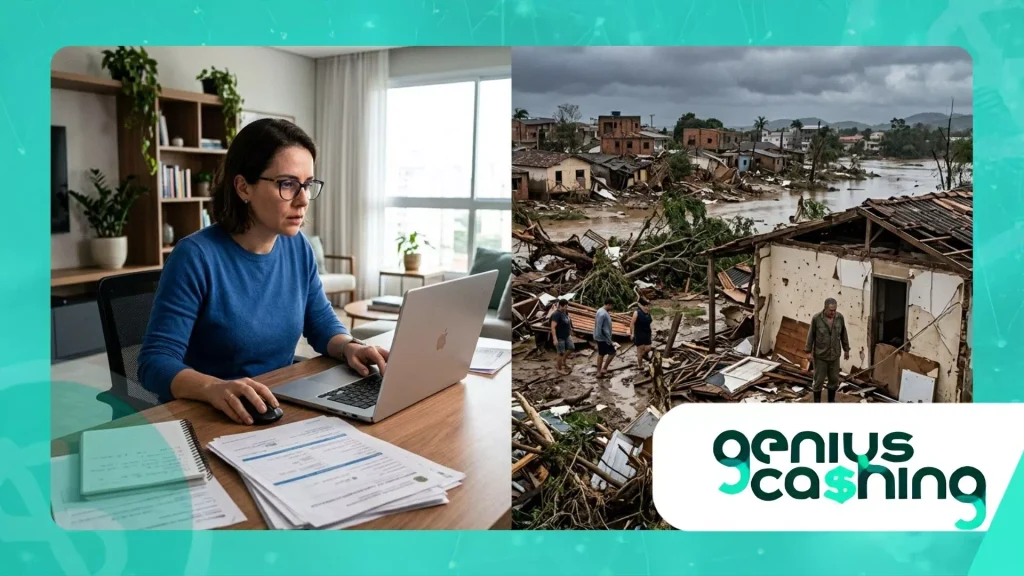
Why Are On-Site Adjuster Shortages Delaying Field Inspections?
Physical damage verification requires certified field adjusters to inspect destroyed properties in person before federal agencies or private insurers approve major repair grants.
Following regional natural disasters, the demand for qualified, licensed property adjusters dramatically exceeds the nationwide supply of trained disaster management personnel.
As a result, thousands of disaster survivors wait weeks or months in temporary shelters just for an adjuster to arrive at their property.
This severe shortage of qualified personnel is exacerbated by dangerous travel conditions, power grid failures, and disrupted local infrastructure immediately following major storms.
Field adjusters must navigate flooded roads, dangerous debris, and completely collapsed communication networks to perform required physical assessments.
Without these mandatory on-site inspection reports uploaded to central databases, benefit administrators remain legally prohibited from calculating final monetary payout structures.
Also read: What the New Budget Means for Business Benefits This Year
How Do Pre-Existing Damage Disputes Harm Claim Approvals?
Property claims routinely stall when insurance adjusters or FEMA inspectors attribute severe structural destruction to pre-existing maintenance issues rather than direct storm impacts.
Disputing these technical assessments requires homeowners to produce historical roof maintenance records, professional engineering reports, or pre-storm property photographs.
Gathering this specialized evidence while living in temporary disaster housing creates immense stress and financial hardship for affected families.
Inspections often trigger complex technical debates regarding whether structural damage was caused by wind-driven rain or rising floodwaters, which are governed by entirely different policy frameworks.
If an inspector determines that foundation cracks existed prior to the storm event, the entire claim is immediately placed in contested status.
Navigating these technical disputes requires extensive professional documentation, adding several months to the overall benefit distribution timeline.
Read more: How Food Assistance Influences Local Economic Growth
What Challenges Arise From Conflicting Insurance Coverage Rules?
Federal disaster assistance statutes explicitly prohibit the duplication of benefits, meaning FEMA cannot legally disburse funds for losses already covered by private home insurance policies.
Consequently, federal benefit administrators automatically freeze assistance applications until private insurance companies issue final determination letters or explicit claim denial notices.
Because private insurers are equally overwhelmed by storm claims, obtaining these required insurance settlement letters often takes several months.
This regulatory deadlock leaves thousands of property owners stuck in an agonizing administrative waiting period between private insurance carriers and government recovery programs.
Even if a homeowner lacks flood coverage, FEMA cannot disburse structural recovery grants until the primary windstorm carrier formally denies the flood damage portion of the claim.
This bureaucratic dependency chain creates long processing delays, leaving disaster victims unable to secure funding for essential home repairs.
How Can Applicants Resolve Bureaucratic Bottlenecks and Secure Funds?
How Can Survivors Avoid Document Errors on Disaster Portals?
Preventing processing delays requires disaster survivors to submit complete, impeccably organized application packages during their initial filing on official government portals.
Applicants must ensure that all personal names, social security numbers, and property addresses match official federal records down to the exact letter.
Uploading clear, high-resolution scans of property deeds, utility bills, driver’s licenses, and pre-storm property photos significantly reduces the risk of automated system flags.
Proactively securing alternative documentation such as sworn property affidavits or property tax statements directly from municipal clerks can bypass common identity verification hurdles.
Maintaining a detailed digital binder containing every document, correspondence log, and uploaded file ensures that applicants can instantly re-submit paperwork if digital portals lose records.
This disciplined approach eliminates common administrative errors that otherwise trap applications in manual review queues for months.
Why Is Fast-Tracking the FEMA Appeal Process So Critical?
Receiving a formal denial letter or an unexpectedly low award determination from disaster benefit administrators is not the end of the recovery process.
Applicants have a strict 60-day legal window from the date of their determination letter to file a formal administrative appeal accompanied by supporting evidence.
Disaster Assistance Claims Can Stall After a Major Storm, but submitting a prompt, well-documented appeal directly forces human case managers to re-examine contested files ahead of standard backlogs.
A successful administrative appeal must contain specialized contractor repair estimates, detailed engineering reports, and clear photographic evidence directly contradicting the initial government inspection findings.
Including signed statements from local building officials regarding current building code compliance further strengthens the applicant’s legal position during administrative review.
Promptly exercising these formal appeal rights prevents applications from sitting dormant in administrative archives indefinitely.
What Legal Protections Safeguard Applicants From Improper Claim Denials?
Disaster survivors possess robust legal rights under federal administrative law and state insurance regulations designed to prevent arbitrary claim denials and processing delays.
Federal guidelines require disaster management agencies to provide written explanations specifying the exact legal or factual grounds for any benefit reduction or denial.
Knowing these specific regulatory protections enables applicants to challenge improper administrative decisions through formal appeal channels or legal advocacy organizations.
State insurance commissioners frequently issue emergency administrative orders following major disasters, establishing strict processing deadlines and prohibiting unfair claim settlement practices.
If a private insurer or administrative agency unreasonably delays processing without clear justification, policyholders can file formal complaints with state regulatory bodies.
Leveraging these legal oversight mechanisms forces administrative systems to prioritize delayed files and ensures fair treatment for disaster survivors.
Comparative Analysis of Major Claim Stalling Factors
To help disaster survivors identify and navigate administrative roadblocks, the following table details the primary structural factors that cause claim delays, their operational impact, and recommended action steps.
| Delay Category | Primary Structural Cause | Average Time Impact | Recommended Applicant Action |
| System Overload | Massive surge in application volume crashing federal and private databases. | 30 to 60 Days | File applications during off-peak hours and regularly monitor online portals. |
| Document Discrepancies | Missing property deeds, utility bills, or mismatched identity records. | 45 to 90 Days | Submit alternative property tax records or notarized legal affidavits immediately. |
| Adjuster Shortages | Insufficient certified field inspectors in devastated geographic regions. | 60 to 120 Days | Document all property damage with detailed photos and hire independent assessors. |
| Duplication of Benefits | Mandatory regulatory freezes while awaiting private insurance determination letters. | 90 to 180 Days | Request formal denial letters from private insurers promptly to unlock federal aid. |
Navigating the Path Forward for Disaster Recovery
Systemic delays in processing disaster benefits after major storms reveal a urgent need for modernized administrative infrastructure and streamlined legal processes.
While public relief agencies and private insurance carriers struggle with sudden application volume surges and logistical hurdles, affected homeowners bear the heavy financial burden of these backlogs.
Recognizing that Disaster Assistance Claims Can Stall After a Major Storm allows applicants to take proactive steps such as securing complete property documentation, maintaining detailed communication logs, and filing prompt administrative appeals to protect their rights and secure essential recovery funds.
Rebuilding communities after catastrophic storm events requires persistent advocacy, disciplined administrative organization, and clear regulatory oversight.
Government agencies must continue reforming benefit disbursement policies, expanding field inspection capabilities, and removing unnecessary red tape that hurts disaster survivors.
By remaining informed, vigilant, and proactive throughout the claims process, displaced families can successfully navigate complex government systems, overcome administrative hurdles, and secure the disaster assistance required to restore their homes and livelihoods.
Have you or someone you know faced unexpected delays when applying for emergency disaster benefits after a major storm? Share your experience in the comments below to help build a community resource for recovery.
Frequently Asked Questions
What is the single most common reason disaster benefit claims get delayed?
The most common reason for claim delays is missing or mismatched personal documentation, such as property deeds, utility bills, or identity verification records.
When automated systems cannot instantly confirm property ownership or residency, the application is sidelined for manual review, adding weeks or months to the processing timeline.
How long does FEMA typically take to process a claim after a major storm?
Under normal conditions, initial decisions are rendered within 10 to 14 days, but major regional disasters cause extreme backlogs that extend processing times to 60 days or longer.
Delays are further extended if field adjusters cannot safely access the property or if the applicant is waiting on private insurance determination letters.
Can I receive FEMA assistance before my private home insurance pays out?
FEMA cannot duplicate benefits already covered by private insurance policies, meaning structural repair grants are typically frozen until your private insurer issues a final settlement or formal denial letter.
However, emergency assistance for immediate needs such as temporary housing or essential medical supplies may be disbursed earlier if insurance payments are delayed.
What should I do if my disaster assistance claim is denied due to lack of proof?
If your claim is denied, you must file a formal written appeal within 60 days of the date on your determination letter.
Include missing documentation, such as property tax statements, notarized ownership affidavits, contractor repair estimates, and detailed pre-and-post-storm photographs to support your appeal.
Does hiring an independent public adjuster speed up the assistance process?
Hiring an independent public adjuster does not automatically speed up government agency timelines, but it ensures your property damage is accurately documented with professional repair estimates.
Detailed private appraisals prevent insurers and federal inspectors from underestimating structural losses, reducing the likelihood of lengthy disputes later.
