
How Medicaid Renewal Notices Can Affect Coverage Continuity
Anúncios
Medicaid Renewal Notices Can Affect Coverage Continuity is a critical issue impacting millions of families across the United States as state agencies resume regular eligibility reviews.
Understanding how these official state notices operate helps beneficiaries protect their health insurance status and prevent unexpected gaps in medical care.
Millions of individuals rely on public health assistance programs for doctor visits, prescription medications, and emergency services.
When states restart regular administrative checks, timely responses to official letters become absolute necessities. People often overlook these letters, assuming their benefits renew automatically every single year without interruption.
Real-world administrative shifts prove that ignoring these notifications leads directly to sudden disenrollment and severe coverage disruptions.
Anúncios
Quick Navigation Map
- What Is Medicaid Renewal And Why Does It Matter Now?
- How Do Renewal Notices Arrive And What Should You Look For?
- Why Do Coverage Gaps Happen During Administrative Reviews?
- How Can Beneficiaries Update Their Contact Information Effectively?
- What Steps Should You Take If Your Coverage Gets Terminated?
- How Does Community Outreach Support Vulnerable Enrollees Today?
What Is Medicaid Renewal And Why Does It Matter Now?
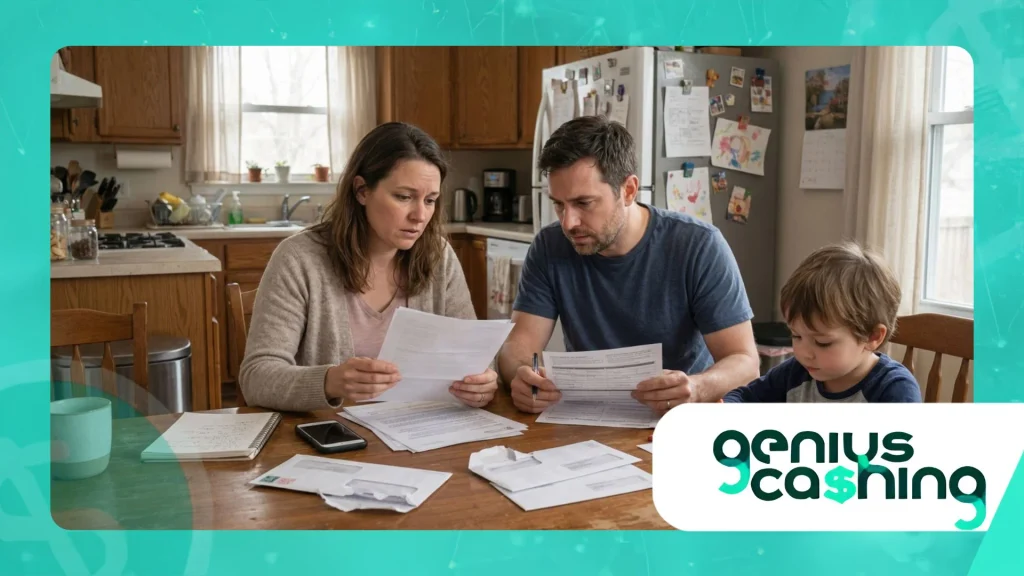
What Is The Medicaid Continuous Enrollment Unwinding?
The federal policy requiring continuous coverage during the public health emergency expired, allowing states to resume annual eligibility redeterminations.
State agencies now evaluate income, household size, and residency status for every single enrolled beneficiary across the nation.
Millions of Americans face procedural disenrollment simply because their state mailings failed to reach their current addresses.
Administrative backlogs cause massive processing delays within local health departments, leaving vulnerable patients anxious about their upcoming medical treatments.
Community health advocates emphasize that proactive document submission remains the single most effective defense against accidental health insurance termination.
Why Do State Agencies Conduct Annual Reviews?
Federal regulations mandate that state Medicaid offices verify financial eligibility annually to ensure taxpayer funds support qualified low-income residents.
Officials cross-reference state wage databases, Supplemental Nutrition Assistance Program records, and tax filings to assess current household financial standing.
Families experiencing minor wage increases or job changes might still qualify under expanded federal poverty guidelines established recently.
Transparent communication between enrollees and caseworkers ensures that state agencies calculate correct eligibility percentages without unnecessary administrative friction.
++ Why Disaster Assistance Claims Can Stall After a Major Storm
How Does Policy Change Impact Local Communities?
Local clinics experience significant surges in uninsured patient visits whenever state eligibility redeterminations result in widespread administrative disenrollment.
Public health economists note that interruptions in primary care lead directly to preventable emergency room visits and higher overall healthcare costs.
Community health centers deploy navigators to help residents understand complex renewal timelines and submit required verification paperwork accurately.
Protecting neighborhood health infrastructure requires active cooperation between local government agencies, non-profit advocates, and insured families alike.
How Do Renewal Notices Arrive And What Should You Look For?
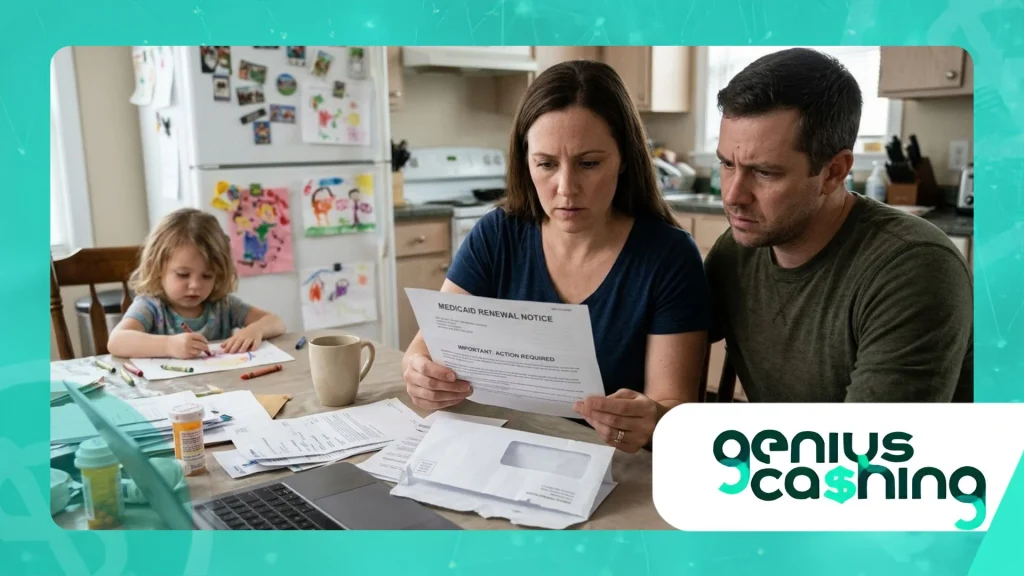
What Channels Do States Use To Send Notices?
State Medicaid offices typically dispatch renewal packets via postal mail several weeks before a beneficiary’s designated annual review deadline.
Many states now offer digital portals allowing enrollees to receive instant text message alerts and email notifications regarding status updates.
Postal delays frequently compromise traditional mail delivery, making online account monitoring an indispensable habit for proactive health insurance management.
Enrollees must verify that local health departments possess their correct telephone numbers and active electronic mail addresses.
Also read: What the New Budget Means for Business Benefits This Year
What Specific Information Appears In Renewal Packets?
Official renewal packets contain pre-populated forms detailing the state agency’s current records concerning household income and family composition.
Beneficiaries must carefully review every printed data point to identify potential discrepancies before signing and returning the verification documents.
Instructions specify exact deadlines, required proof of earnings, and alternative submission methods such as online portals or telephone interviews.
Missing a single requested document triggers automated cancellation sequences within state eligibility databases within days.
Read more: How Food Assistance Influences Local Economic Growth
How Can Enrollees Spot Fraudulent Mail Scams?
Scammers frequently exploit administrative transitions by mailing fraudulent notices demanding payment for continued Medicaid coverage or policy renewal processing.
Real state agencies never charge fees for processing annual eligibility renewals or updating household demographic information records.
Beneficiaries should inspect return addresses carefully and cross-reference phone numbers against official state department websites before sharing personal data.
Reporting suspicious communications to state consumer protection offices safeguards vulnerable neighbors from predatory financial schemes.
Why Do Coverage Gaps Happen During Administrative Reviews?
What Causes Procedural Disenrollments Nationwide?
Procedural disenrollments occur when enrollees lose their health insurance coverage due to administrative paperwork errors rather than actual financial ineligibility.
According to recent data published by the Kaiser Family Foundation, nearly seventy percent of disassociated individuals lost benefits for procedural reasons.
Outdated mailing addresses represent the primary driver behind unreturned renewal packets and missed submission deadlines across multiple states.
State caseworkers often lack sufficient staffing resources to investigate returned mail thoroughly before terminating active beneficiary accounts.
How Do Address Changes Disrupt Mail Delivery?
Frequent residential moves among low-income renters create massive logistical challenges for state agencies attempting to dispatch timely renewal notices.
Post office forwarding orders expire after designated timeframes, causing critical health documents to return to state offices as undeliverable.
Enrollees who move without updating their local welfare office records immediately forfeit their right to advance notification of coverage termination.
Establishing a centralized address update habit prevents catastrophic communication breakdowns during critical administrative review cycles.
What Financial Vulnerabilities Emerge From Coverage Gaps?
Sudden loss of health insurance exposes patients to overwhelming medical debt resulting from unexpected doctor visits, hospitalizations, and prescription refills.
Chronic condition management grinds to a halt when patients cannot afford vital medications without public assistance subsidy support.
Healthcare providers face mounting uncompensated care burdens when uninsured patients delay necessary treatments until emergency medical intervention becomes unavoidable.
Restoring continuous coverage requires navigating complex administrative appeals processes that take months to resolve completely.
How Can Beneficiaries Update Their Contact Information Effectively?
What Methods Exist For Updating Contact Details?
Enrollees can update their mailing addresses, telephone numbers, and email contacts securely through online state benefit portals or mobile applications.
Calling state customer service helplines directly connects enrollees with representatives authorized to modify system contact records in real time.
Local community health centers and county assistance offices provide dedicated computer terminals and staff assistance for individuals needing digital support.
Maintaining accurate contact profiles guarantees receipt of time-sensitive notifications regarding annual eligibility review milestones.
Why Is Timely Information Update Crucial?
State computer systems process millions of records automatically, relying on flawless data entry to trigger renewal notifications at correct annual intervals.
Even a minor typographical error in a street number or zip code prevents vital renewal documents from reaching their intended destination.
Proactive updates eliminate the risk of missing critical submission windows enforced by strict state regulatory compliance schedules.
Enrollees should verify their contact details with state caseworkers at least twice a year to ensure absolute accuracy.
What Documentation Proves Residency And Income?
When updating account records, state agencies frequently demand verifiable documentation such as recent utility bills, lease agreements, and pay stubs.
Submitting clear digital photographs or scanned copies through official state portals expedites administrative review and prevents document loss.
Caseworkers cross-check submitted earnings against national databases to verify household financial compliance with federal poverty guidelines.
Organizing financial paperwork beforehand streamlines the update process and eliminates frustrating administrative bottlenecks.
What Steps Should You Take If Your Coverage Gets Terminated?
How Do You Request An Administrative Appeal?
Beneficiaries who receive unfair termination notices possess the legal right to request a fair hearing through their state appeals board.
Filing an appeal within the designated statutory window typically thirty to ninety days can temporarily reinstate benefits while review proceeds.
Legal aid organizations provide free representation and guidance for individuals challenging improper disenrollment decisions made by local agencies.
Documenting every interaction with caseworkers strengthens the appellant’s case during formal administrative review proceedings.
Can You Reapply For Medicaid After Termination?
Individuals who lose coverage due to missed deadlines can submit a new application at any time through state health insurance marketplaces.
Recent enrollment data indicates that many terminated beneficiaries remain financially eligible and successfully regain coverage following new application submissions.
Expedited processing pathways exist for patients requiring urgent medical treatments or specialized prescription therapies during transition phases.
Persistence and timely document submission remain vital for overcoming administrative hurdles and restoring continuous medical protection.
What Temporary Health Insurance Alternatives Exist?
While navigating Medicaid reinstatement appeals, individuals can explore federally qualified health centers offering sliding-scale fees for essential medical services.
Community clinics provide affordable primary care, routine checkups, and generic medications for uninsured residents facing temporary coverage gaps.
Short-term assistance programs and pharmaceutical patient assistance initiatives help bridge financial voids during administrative transition periods.
Exploring all available local healthcare resources prevents catastrophic health compromises while formal insurance renewals process.
How Does Community Outreach Support Vulnerable Enrollees Today?
What Role Do Local Advocates Play?
Non-profit advocacy organizations and community health workers serve as vital lifelines for vulnerable populations navigating complex government benefit systems.
Certified application counselors host educational workshops, assist with paperwork completion, and answer technical questions regarding renewal deadlines.
Collaborative outreach campaigns utilize multilingual media platforms to reach immigrant communities and elderly residents who face linguistic barriers.
Empowering local neighborhoods with accurate information transforms bureaucratic anxiety into confident civic participation.
How Do Digital Tools Simplify Renewal Tracking?
Innovative mobile applications and automated text reminder systems help enrollees track their specific annual review dates without confusion.
Digital calculators allow families to estimate their household financial eligibility against current federal poverty thresholds before submitting documents.
State agencies increasingly invest in user-friendly web interfaces to streamline document uploads and reduce administrative processing times significantly.
Technology-driven solutions bridge the gap between complex government regulations and everyday citizen comprehension.
Why Is Public Education Essential For Continuity?
Comprehensive public education campaigns dispel widespread myths regarding public assistance programs and encourage proactive administrative engagement among enrollees.
Trusted community leaders, healthcare providers, and local journalists share accurate real-time updates regarding policy shifts and procedural deadlines.
Informed citizens make timely decisions that protect their families from unexpected medical expenses and coverage interruptions.
Sustained educational efforts build resilient communities capable of navigating administrative transitions successfully.
Summary Of Critical Renewal Strategies And Insurance Protection
| Review Phase | Primary Action Required | Recommended Timeline | Potential Risk Of Inaction |
|---|---|---|---|
| Address Verification | Update mailing address with state agency | At least 60 days before review | Undelivered renewal packets |
| Document Gathering | Collect pay stubs, tax returns, utility bills | 30 days prior to submission deadline | Incomplete verification filing |
| Form Submission | Complete renewal paperwork online or via mail | On or before official due date | Automated procedural disenrollment |
| Appeal Process | File fair hearing request if terminated | Within 30-90 days of notice | Permanent loss of active benefits |
Final Health Protection Perspectives
Maintaining continuous health insurance coverage requires constant vigilance, organized record-keeping, and prompt responses to official state communications.
Medicaid Renewal Notices Can Affect Coverage Continuity profoundly when beneficiaries neglect their annual administrative responsibilities or fail to update mailing addresses.
Proactive engagement with state portals and community health advocates empowers families to navigate bureaucratic transitions with confidence and security.
Share your personal experiences or questions in the comments below to help others protect their healthcare access today.
Frequently Asked Questions
What happens if I miss the deadline on my renewal notice?
Missing the designated state deadline triggers automatic disenrollment and terminates your health insurance coverage immediately.
You typically have a ninety-day reconsideration window to submit missing documents and restore your active policy without filing a brand new application.
Contact your local caseworker or state health helpline immediately to discuss expedited processing options available for your specific case.
Can my children keep their coverage if my adult eligibility changes?
Children often qualify for higher income thresholds under the Children’s Health Insurance Program even if adult parental eligibility shifts during annual reviews.
State agencies evaluate household members independently, ensuring that dependent minors maintain continuous medical protection regardless of parental administrative updates.
Review your state’s specific guidelines or speak with a certified health navigator to understand distinct household eligibility categories.
Do I need to report minor job changes before my annual review?
Most states require enrollees to report significant household income increases or changes in family size within thirty days of occurrence.
Minor fluctuations in weekly work hours usually do not impact ongoing eligibility until your scheduled annual redetermination date arrives.
When in doubt, contacting your local assistance office prevents accidental overpayments and ensures absolute transparency with state caseworkers.
How long does it take for a state agency to process renewal paperwork?
State processing times vary significantly depending on administrative backlogs, staffing levels, and the volume of incoming renewal packets submitted seasonally.
Standard processing typically ranges from thirty to forty-five days from the date the agency receives your completed verification documents.
Submitting forms electronically through official state web portals accelerates review times compared to traditional postal mail submissions.
Where can I find free local assistance to help with my renewal?
Certified application counselors, local health department offices, and federally qualified health centers offer free, confidential assistance with renewal paperwork.
Non-profit advocacy groups and community legal aid organizations also provide dedicated support for individuals facing complex eligibility disputes or coverage terminations.
Utilizing these professional resources guarantees accurate document completion and protects your family against avoidable coverage gaps.
